
Hospitality Investment Outlook – October 2025

With the conference season in full swing, hospitality investment is sending a clear signal that resilience remains the defining feature of the sector. Despite cost inflation, operational pressures, and continued uncertainty in wider financial markets, capital flows into hotels are accelerating. From London to Rome and Manchester, investors are not just participating—they are adapting strategies to new conditions and exploring markets and asset classes once overlooked.

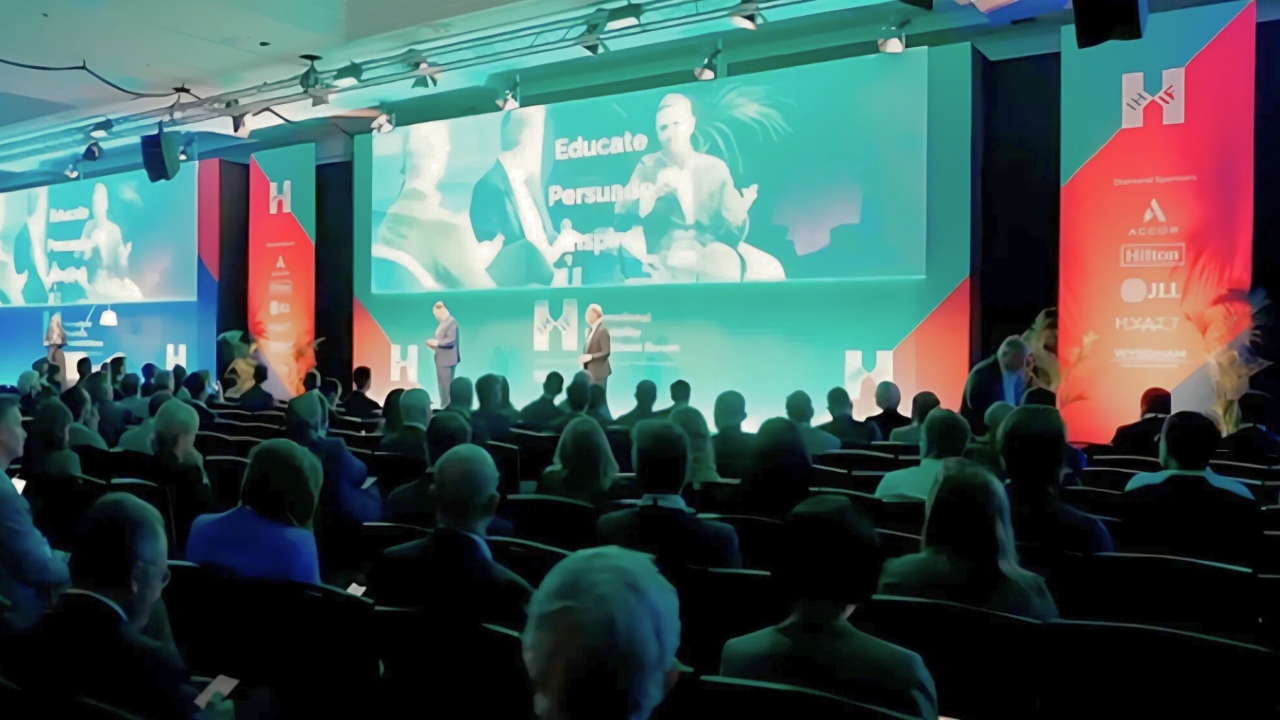
Drawing on the Hilltop Tracker Q3 2025, as well as insights from the Italian Hotel Investment Conference (ITHIC) in Rome, and sessions at the Annual Hospitality Conference (AHC) in Manchester, a consistent picture emerges: capital is present, liquidity is returning, but the path to concluding deals is perhaps more complex than ever.

Volumes on the Rise
The third quarter of this year, usually a quieter period for hotel transactions, has defied expectations. According to the latest copy of the Hilltop Tracker, more than €5 billion in hotel deals were recorded across Europe, compared to €2.2 billion in the same period in 2024. Around 80 transactions closed, spanning single-asset sales, portfolios, and platform deals.

London led the charge, with nearly £900 million in transactions and a further £1.7 billion already in the pipeline for Q4. As the Tracker highlighted, “This continued momentum is solidifying 2025 as a standout year for London, one of the world’s most sought-after hotel investment markets.”

A Market in Transition
In Manchester, the AHC 2025 revealed cautious optimism around the UK outlook. Liquidity has returned, debt markets are accessible, and investors are actively pursuing deals—albeit with greater selectivity. Blackstone’s Peter Werhahn summed it up: “We are relatively bullish driven by our recent portfolio selection. We are seeing resilient leisure demand across all our estate.”

At the same time, landmark deals are shaping the narrative. Pandox’s €1.4 billion bid for Dalata Hotels was described as a “once in a decade opportunity,” underscoring the appetite for scale when conditions align. Meanwhile, opportunistic investors like The Baupost Group point to owners who “hung on through Covid” now looking to exit, creating new opportunities for capital to move.

Tom Oakden of Hilltop Advisory was also in Manchester for AHC, and his reflections captured some of the most pressing industry concerns.

  • Costs remain the dominant headwind. Operators continue to feel the squeeze of payroll inflation, rising F&B costs, and the burden of business rates. This is echoed by wider insolvency data showing 1,706 hospitality companies entered closure in H1 2025. These persistent pressures underline the importance of investors stress-testing operating models.
  • AI: a double-edged sword. Tom noted, AI has become a recurring talking point at industry conferences. Its potential to optimise pricing, forecasting and guest personalisation is clear—but, as he puts it, “AI won’t make beds.” Labour-intensive operations like housekeeping remain resistant to automation. AI also brings with it infrastructure demands—both in energy and data—that cannot be ignored.
  • Performance plateauing. London, long a bellwether for UK hospitality, is showing signs of moderation. Tom highlighted growth of “sub 3%,” broadly consistent with the Hilltop Tracker’s view that while London remains a global investment magnet, trading performance is relatively flat. Jacob Rasin, SVP Transactions at Stockholm-based Pandox even described the market as “gray and dolphin-ish — up and down, up and down,”. Investors are therefore looking at yield compression and capital flows as much as operating outperformance when making decisions.
  • The investment market outlook. Tom’s Hilltop Tracker offers clarity on this. Transaction volumes are not only holding up but expanding, particularly in single-asset deals. The divergence of flat operating growth but buoyant investment volumes illustrates the resilience of hotels as an asset class, and the depth of capital seeking exposure.

Reinventing the Playbook
Another theme at AHC was the reinvention of traditional private equity strategies. The familiar buy–fix–sell cycle is under strain. Funds are stepping in mid-cycle, taking on asset management roles, and creating more flexible capital solutions to keep deals moving. One panellist remarked: “It’s as hard to sell as it is to buy.”

Exits are no longer straightforward; secondary trades, portfolio reshaping, and creative liquidity pathways are becoming more common. At the same time, investors stressed the critical role of trust between operator and capital provider—highlighting that partnerships are often the difference between a deal happening or stalling.

Financing Selectivity
Even with capital flowing back, financing is far from straightforward. Lenders are now likened to judges in a “beauty contest,” rewarding only the most bankable deals. Rachel-Felicia Glenn of Horwath HTL explained: “Two hotels with identical Ebitda can have very different financing outcomes depending on their revenue mix.”

Prime London and Edinburgh assets remain the most attractive, drawing multiple competitive term sheets and aggressive terms. Regional UK markets, however, face tougher scrutiny, conservative covenants, and reduced credit given to ancillary revenues such as spas, golf, or F&B. For sponsors, credibility and governance are just as important as asset quality in today’s market.

Selective Growth, Long-Term Opportunity
Looking forward, several trends are clear:

  • Granular resilience: Single-asset deals will continue to dominate into 2026, even as larger portfolios slowly return.
  • Luxury appetite: The “flight to luxury” is alive and well, with record-breaking per-key prices being achieved.
  • Selective lending: Sponsors with proven operational expertise and robust governance will unlock the best financing terms.
  • Regional expansion: Both in the UK and Italy, secondary markets are gaining investor attention, though success depends on infrastructure and workforce readiness.
  • Operational discipline: Returns will increasingly hinge on brand strength, innovation, and cost control, not just financial engineering.

As David Kellett of Savills put it: “The strength and resilience of the single asset market stands out… We expect the single asset market to remain robust whilst also anticipating more larger portfolios to transact in 2026.”

Conclusion
Hospitality investment in 2025 is both resilient and reinvented. Liquidity is returning, capital is flowing, and both the UK and continental Europe are once again attracting global investors. Yet this is a more complex and fragmented market than before. Deals are harder won, financing more selective, and operators still under pressure.

The winners in this cycle will be those who combine ambition with discipline, pursuing luxury and leisure assets in both prime and emerging destinations, while forging strong operator partnerships and maintaining credible, flexible capital structures. From London’s billion-pound development pipeline to Italy’s high-growth regions, opportunities are abundant, but so too are the challenges.

The shift is already unfolding across the market, underscored by HPG’s current search for a new entrant to the hotel investment space, working with a European real estate partner to establish a hotel platform. It signals how fresh capital, bold talent, and strategic reinvention are shaping the next phase of hospitality investment.

For a more in-depth analysis and to receive quarterly editions of the Hilltop Tracker, please get in touch.

Dan Akhtar, Managing Director – HPG Advisory Services
+44 208 600 1166 / +44 7808 157796  / [email protected]

August 2025 | Hospitality Investment Analysis

The hotel investment market across the UK and Europe is riding a strong wave of momentum in 2025. According to the latest Hilltop Tracker H1 2025 report by Hilltop Hospitality Advisors and Hospitality People Group, hotel transaction volumes soared to €11.7 billion in the first half of 2025 — a 16% year-over-year increase from €10.1 billion in H1 2024.

This semi-annual snapshot reveals an active, evolving landscape for hotel investors, highlighting new trends, top-performing markets, and shifting investor behaviours.

📈 Investment Activity: Rising Volumes, Growing Opportunities

  • 198 transactions were publicly announced across single assets, portfolios, and M&A deals, compared to 179 in H1 2024.
  • Over €15 billion of hotel stock is currently in open-market sales — indicating 2025 could break historic transaction records if deals close.
  • The “flight to luxury” continues, with six deals surpassing €1 million per key, including development and conversion assets.

🌍 Top Markets and Cities

The UK and Spain maintained their positions as the most active markets. However, Spain’s share slipped to 16%, down from 26%, while Germany surged into third place:

Country % of Deals (H1 2025)
UK 24%
Spain 16%
Germany 12%
France 11%

London, Paris, and Hamburg led the city rankings, followed by Barcelona, Dublin, and Prague — with the latter three showing upward momentum. Rome, once a hotspot, saw a relative decline.

💼 Who’s Buying, Who’s Selling?

Owner-Operators and Real Estate Investment Managers (REIMs) dominated acquisitions:

  • Owner/Operators: 41% of buyer activity
  • REIMs: 19%
  • Private Equity (PE): 17%

🏨 Urban vs. Resort: Both on the Rise

While urban assets still make up the majority of transactions (72%), resort hotel deals rose to 28%, reflecting growing investor appetite for leisure and experiential travel properties.

🧾 Deal Structures and Trends

  • Vacant possession (VP) deals led at 41% of total transactions.
  • Lease deals climbed to 23%, likely influenced by the European Central Bank’s rate reductions.
  • Development and conversion projects represented 15% — evidence of opportunistic strategies in repositioning assets.

🔮 Outlook: Will 2025 Set a New Record?

With high levels of capital chasing premium assets and a vast pipeline of properties on the market, 2025 could exceed expectations — but deal execution will depend on resolving pricing mismatches and navigating macro pressures.

For investors, operators, and developers, H1 2025 has affirmed that hospitality real estate remains a resilient, adaptive asset class. And with luxury, resorts, and redevelopment continuing to dominate, the rest of the year is likely to offer plenty more movement.

For a more in-depth analysis and to receive quarterly editions of the Hilltop Tracker, please do get in touch.

Hospitality People Group focuses on assembling leadership teams that are capable of making strategic decisions to reduce risk, improve resilience, and address the challenges organisations face in today’s complex environment by fostering workplace cultures that promote continuous improvement and innovation. This approach helps ensures our clients not only navigate the current landscape, but also position themselves for long-term success.

Dan Akhtar, Managing Director – HPG Advisory Services
+44 208 600 1166 / +44 7808 157796  / [email protected]  
Guy Lean, Managing Director – Madison Mayfair
+44 20 8 600 1180 / +44 7813 009787  / [email protected]

Chris Denison Smith, Managing Director – FM Recruitment
+44 20 8 600 1160 / +44 7775 711923  / [email protected]   

Andrea Shaw, Director – FM Recruitment
+44 20 8 600 1160 / +44 7714 236469  / [email protected]  

Success Stories: In Conversation with Will Holmes

From boutique hotels in London to a regional leadership role at Hilton overseeing Latin America and the Caribbean, Will Holmes has had a dynamic and wide-ranging career in hospitality development. In 2011, Hospitality People Group placed Will into his first role with Hilton, a pivotal starting point that would go on to shape a truly global trajectory. In this conversation, Will reflects on the defining moments that have influenced his leadership style, shares insights into a rapidly evolving industry, and offers advice for owners and developers looking to succeed, particularly across the Caribbean and Latin America.

Defining Moments and Leadership Growth

“I feel like there were two moments which I can say have been major milestones in my career,” Will begins. “Firstly, my decision to leave Hilton in 2017 and join Soho House. I was really enjoying my role at Hilton, but I was approached to run their European projects and it was too good an opportunity to turn down. Working for the founders of ‘lifestyle’ gave me a platform I wouldn’t have had otherwise. What I learnt during the 2.5 years there was immeasurable.”

His second defining moment came more recently. “I’d just been promoted to VP for Hilton running Northern and Western Europe when the opportunity arose to lead CALA (Caribbean and Latin America). It was a big move, as I no longer had the organisational structure above me within the Architecture, Design and Construction team. It was on me to run the region and restructure it completely. We’re now on the other side of that restructure and the team is going from strength to strength.”

Shifting Perspectives in Hospitality Development

Reflecting on how the industry has evolved, Will highlights two key shifts: “Firstly, guest expectations around design and experience have completely changed. When I started, I was fortunate to work for a design-forward developer who taught me the value design brings to spaces. But back then, big brands weren’t focused on design. Fast forward nearly 20 years, and everyone expects more.”

Secondly, he points to a shift in deal structures: “Hotel brands used to invest directly into deals, take leases, and grow cautiously. The move to franchise models and the rise of focused service and collection brands has enabled faster growth. Since Covid, the Ukraine war and inflationary pressure, we’re seeing a much bigger pivot to conversions rather than new builds due to limited debt availability.”

A Lifelong Passion for Hospitality

Will admits there was never really a Plan B: “I’ve always been interested in hospitality and particularly hotels. I remember seeing an advert for De Vere Hotels in the Daily Telegraph colour supplement when I was 14 and telling my mum that I would love to work for them. She made me write to them asking for work experience, but I never heard back. I then went to work in the kitchens of the local pub and had a ball. It all went from there.”

Lessons from Soho House

His time at Soho House left a lasting impression. “Pay attention to detail! Nick Jones was obsessive about the details, which is why he created such an incredible brand. He always put the guest first and thought about how people would use the spaces we were designing. At the time, my background had been more about efficiency and cost savings, so it gave me a totally different perspective.”

That shift in thinking has stayed with him. “We’ve spent the last two years redesigning our focused service prototypes in CALA, and I’m sure some of the learnings from Mollie’s and Soho Works helped me there.”

Opportunities and Challenges Across CALA

With a population nearing 700 million, Will sees CALA as one of Hilton’s most exciting growth markets. “The power of the Hilton engine in most markets makes an almost instant impact on bookings, especially thanks to the American traveller. There are still many markets in the region we haven’t entered yet. As the middle class continues to grow, we’ll see demand increase in secondary and tertiary cities for our focused service and collection brands.”

However, it’s not without challenges. “Brazil is one of our biggest. It operates for Brazil, and if you don’t adapt locally, there are barriers to entry that will stop growth. We’ve been adapting our practices in recent years, and it’s starting to pay off.”

Will also notes the complexities of brand translation. “Our brands are created in Virginia, and then we have to interpret how they work in the region. We’re not like Coca-Cola where the recipe is always the same. There are so many variables that it becomes a tough job for my team to ensure consistency while adapting appropriately.”

Balancing Global Standards with Local Relevance

Will expands on this delicate balance: “I’d say one of the main tools my team needs is great judgement. You can’t tell owners across the region that this is the recipe and it must be followed to the letter. But at the same time, we can’t be too relaxed on brand identity or safety and technical standards. It’s a constant negotiation.”

He adds, “We never tell an owner to comply with a brand standard ‘just because’. We explain the why – the value that adhering to certain standards brings to their project. Challenges often relate to Fire, Life & Safety, mechanical systems, IT and availability of materials.”

Measuring Success in Pipeline Growth

“To me, successful pipeline growth means two things,” Will explains. “Variety in projects, and at least 50% of the pipeline under construction.”

“Variety keeps us agile. It gives the team exposure to different workstreams, helps us refine brand requirements, and ensures we stay resilient during market fluctuations. And if more than 50% of our pipeline is under construction, it proves that our Development team is signing real deals, not just paper promises. We’re proud to have the highest percentage of deals under construction across all hotel brands.”

Looking Ahead: Key Trends in Hotel Development

Will believes the conversion market will remain strong. “Especially in developed markets. With current construction costs and higher interest rates, developments must be solid to stack up financially. I don’t see us going back to the days of ultra-low rates.”

He also predicts a continued rise in mixed-use developments. “As office and retail spaces decline, we’ll see more adaptive reuse projects converting into hotels or multi-use assets.”

And guest preferences are shifting too. “The modern traveller wants more experiences. Sophisticated wellness is a major trend – not just spas, but things like exercise classes, juice bars, cold plunge, cryotherapy, infrared saunas, red light therapy and IV drips. It’s evolving fast.”

Sustainability in CALA

Hilton is set to launch its ESG playbook for CALA later this year. “It will go deep into the opportunities that developers have when building with us,” says Will. “Our aim is to show long-term value in applying sustainable techniques and sourcing strategies to mitigate upfront cost.”

“There are many grants and schemes developers can take advantage of, but the real challenge is education. ESG is much bigger in Europe and hasn’t been prioritised in the US, so it hasn’t filtered down to Latin America as quickly as we’d like.”

Advice for Owners and Investors

“Think carefully about which brand is right for your hotel and your market. Don’t overspend to show off, but equally, don’t cut corners. Spend properly on quality installations and you’ll only spend once.”

Will is also a strong advocate for working with experienced consultants: “Good consultants more than earn their fees. The right designer and project manager with a solid brief can make the difference between success and failure. Too often, we see owners choosing friends or trying to manage the project themselves, and the project suffers.”

He adds, “Food service consultants are another area that’s often overlooked in the region. Instead, owners rely on suppliers who can draw in CAD, thinking they’re saving money. But those suppliers usually make it up on the equipment side and often don’t know how to properly plan kitchens or back-of-house.”

Will Holmes’ story is one of thoughtful leadership, strategic growth, and a deep-rooted passion for hospitality. From his first Hilton appointment in 2011, to leading development strategy across a region as culturally rich and complex as CALA, Will continues to make an impact on hospitality with a watchful eye on long-term value and an ever-constant focus on the guest experience.

If you’re looking to strengthen your people strategy or explore your next career move in hospitality, get in touch with us and we would be delighted to set up a chat.

Dan Akhtar, Managing Director – HPG Advisory Services
+44 208 600 1166 / +44 7808 157796
[email protected]

Spring 2025 Hotel Investment Update: Key Themes Ahead of IHIF 2025

The International Hospitality Investment Forum (IHIF) 2025 takes place in Berlin from 31st March to 2nd April. This year’s event promises another deep dive into the current investment landscape and both Guy Lean and Dan Akhtar are returning there once again to represent HPG, and they especially look forward to reconnecting with people and making new contacts at one of our favourite conferences.   

This year’s key themes will focus on the ongoing economic shifts and their influence on hotel investment decisions, innovative financing solutions, the future of luxury and lifestyle brands, and how public-private partnerships impact the future of hospitality. 

In this article, we have gathered insights from across the global hotel investment industry to provide an overview of the trends we think may dominate discussions at IHIF 2025 including; ongoing economic shifts and their influence on hotel investment decisions, innovative financing solutions, the future of luxury and lifestyle brands, and how public-private partnerships are impacting the future of hospitality. We hope that this will give you an insight into the current investment market, whether you are attending the conference or not.  

To help you further prepare for IHIF, we also highly recommend the latest edition of the Hilltop Tracker which is released this week. The tracker is a detailed quarterly report focusing on real estate transactions in the hospitality sector that has been created by Tom Oakden of Hilltop Hospitality Advisors, in partnership with HPG. The link to request your copy is at the end of this article. 

The Rise of Hotel Conversions 

One of the most prominent themes at IHIF 2025 will be the ongoing rise of hotel conversions, a topic that aligns with the “Adaptive Reuse and Conversion” session on 1st April. As highlighted recently in Hotel Investment Today, the surge in conversions stems from rising construction costs, supply chain disruptions, and the expiration of brand-mandated Property Improvement Plans (PIPs) that were delayed during the pandemic. Michael Cummings of CBRE Hotels Advisory notes that many owners now face a choice between costly renovations and strategic brand changes. 

Ben Rowe of KHP Capital Partners, whose portfolio includes significant conversion projects, points out that conversions have become a cost-efficient way to reposition assets and enhance ROI. Mehul Patel of NewcrestImage echoes this sentiment, emphasising that adaptive reuse is particularly attractive in the current economic climate. Sessions at IHIF 2025 will explore how these strategies are being implemented across Europe and the U.S. 

Financing the Future 

Securing funding remains a critical challenge in 2025. With traditional bank financing proving inconsistent, investors are increasingly looking towards multi-layered financial structures, including private equity and joint ventures. Notably, the IHIF session on “New Directions: Where is the Lending Market Headed Next?” on 1st April, will address the evolving landscape of financing options. 

Rockbridge’s Matt Welch points out that while there is cautious optimism about lender activity, the bid-ask gap between buyers and sellers continues to create friction. Meanwhile, private equity players like NewcrestImage are leveraging creative funding solutions, including SBA loans and tax credits, to support conversions and renovations. These themes are expected to be a focal point during finance and investment sessions at IHIF 2025. 

Luxury and Lifestyle 

Luxury investments are set to take centre stage at IHIF 2025, with the session “The Luxury Equation: Aligning Concepts with Evolving Guest Expectations” scheduled for 1st April. As Hospitality Investor highlights, investors are increasingly drawn to high-barrier markets like Portugal and Greece, where luxury and lifestyle properties are thriving. 

VIC Properties’ €1.7 billion luxury development in Comporta, Portugal, exemplifies this trend, offering bespoke villas and branded residences within a natural reserve. Similarly, Invel’s Mediterranean Hospitality Venture (MHV) is focusing on high-net-worth travellers with premium resort developments in Greece. The focus on guest-centric luxury experiences and the blending of high-end hospitality with local culture will be key discussion points at the event. 

M&A and Market Volatility 

Despite a challenging economic environment, mergers and acquisitions continue to offer opportunities for savvy investors. At the Hunter Hotel Conference, which took place in Atlanta, Georgia last week, industry leaders discussed how market volatility, while daunting, also creates potential for strategic acquisitions. IHIF’s session on “Sealing the Deal: Lessons Learned from Recent Transactions” will cover how investors are capitalising on distressed asset sales. 

Greg Friedman of Peachtree Group highlighted that higher interest rates and debt maturities are pushing some owners to divest assets, while local buyers with access to financing are well-positioned to take advantage of undervalued properties. As the market normalises, stakeholders are optimistic that liquidity will improve, particularly in the extended-stay and select-service segments. 

Public-Private Partnerships 

As cities look to revitalise urban areas post-pandemic, public-private collaborations have become essential. Hospitality Investor notes how cities like Rome and Paris are leveraging major events and government support to enhance hospitality infrastructure. The session “Collaborative Development: Public-Private Synergy for Hospitality Growth” on 1st April at IHIF, will explore how stakeholders are working together to balance growth and sustainability. 

Turkey stands out as another collaborative success story, with booming tourism driving investment in Istanbul, Antalya, and other key locations. Major brands such as IHG and Marriott are expanding their presence, driven by strong RevPAR growth and supportive economic policies. 

Resilient Segments 

According to Nobel Investment Group, select-service and extended-stay properties remain robust investment opportunities, driven by steady demand and lower operating costs. Based in the U.S., Noble has made significant strides in this segment, recognising the appeal of efficient, long-term accommodation amid economic uncertainty. The session “The Future of Extended-Stay and Select-Service Investments” at IHIF will delve into how these properties continue to perform well despite market turbulence. 

What to expect at IHIF 2025 

With a comprehensive agenda, a diverse range of speakers and an incredible opportunity to network with some influential industry people, IHIF 2025 looks set to once again serve as a vital platform for stakeholders to exchange ideas and forge new partnerships. From navigating the continuing economic volatility to leveraging the latest hospitality trends, the forum will provide actionable insights for investors, developers, and operators. 

If you are attending IHIF 2025 and would like to discuss any of the above trends and their potential impact on your people strategy, Guy Lean ([email protected]) and Dan Akhtar ([email protected]) would love to connect and set up a chat in Berlin.  

If you are interested in receiving a copy of The Hilltop Tracker straight to your inbox every quarter, please let us know by email here. 

Empowering Women in Hospitality

March is synonymous with International Women’s Day, inspiring us to share our insights on gender diversity from our work in networking and mentoring. 

With a strong background in networking, our team at HPG is very comfortable navigating crowds, making connections and building relationships. However, we also recognise that not everyone shares this experience and appreciate that working in a crowd of people can feel particularly daunting if it is not something you do regularly. The hospitality industry is built on relationships, and an effective networking strategy can have a significant impact on your career progression.

For female professionals looking to advance their careers, mentorship and sponsorship play a critical role in building confidence to unlock and navigate these career opportunities. However, the access to these opportunities is not always equal, and different individuals experience networking spaces and career advancement in unique ways.

Women often find themselves underrepresented in senior hospitality leadership roles, and those who do succeed in this arena have the additional pressure of vast performance expectations. Understanding how to develop a strong network of influential supporters is often crucial to ensuring equal access to professional growth.

We hope that sharing our insights and experience might help all individuals, regardless of gender or background, reach their full potential in hospitality.

Building Confidence and Connections
Mentorship is a structured way to share expertise and guide others in their career development. It can take many forms, from formal mentorship programmes to informal relationships that develop naturally through networking. In our experience, there isn’t a one-size-fits-all solution as different individuals approach it in their own ways. Some thrive in structured settings, while others benefit from more organic, natural relationship building. More extroverted individuals may find the networking element much easier, while introverts might prefer one-on-one mentorship relationships that grow slowly over time. 

For those looking to find or become a mentor, there are excellent platforms available:

  • Inspiring Women in Hospitality – A global initiative that connects and supports professionals across the industry.
  • Institute of Hospitality – Offers a mentorship scheme designed to support hospitality professionals at all career stages.
  • Be Inclusive Hospitality – A platform dedicated to supporting underrepresented groups in hospitality through mentorship, education, and advocacy.
  • Master Innholders – Provides leadership development and mentoring opportunities for professionals in the hotel industry.

While each of these platforms offers a valuable network to explore, none of them can guarantee a perfect match for each mentee. Personality compatibility is essential, and respecting your mentor’s time by knowing and communicating what you want to achieve out of your discussion is crucial to forging a successful mentorship. Ultimately, a mentee has the most to gain from this relationship and should be the driving force behind it.

Navigating Networking
From our experience, expectations of what can be achieved from networking events can differ across genders and personality types. For instance, large-scale networking events often favour people who are naturally outgoing and comfortable introducing themselves to strangers and engaging in broader, more competitive, and transactional networking, that focuses on expanding their contact base and doing deals. Those who prefer more structured, goal-oriented interactions and look to build deeper, more relational connections may find it beneficial to seek out events with pre-arranged mentorship elements or discussion groups. 

While these personality types can be found across either gender, the added assumptions and gender biases can also impact these outcomes. The unconscious bias that perceives a natural masculine assertiveness more naturally suited to networking, could manifest itself into situations where women are less likely to be approached at networking events, asked about their family life more than their career achievements, less likely to be taken seriously, and less likely to be introduced to high-level contacts due to their gender. 

For networking to be inclusive and effective, organisations should consider how they structure their events. Creating a mix of formal and informal networking opportunities, ensuring gender balance among speakers and attendees, and incorporating elements of structured mentoring or introductions can help level the playing field for everyone.

Sponsorship and Advocacy
While this networking and mentorship can provide guidance and support, it is sponsorship that actively propels careers forward. Sponsors are influential leaders who advocate for their protégés, recommending them for key roles and leadership opportunities. Research suggests that individuals with sponsors are significantly more likely to advance in their careers, highlighting the importance of having someone in your corner who will champion your skills and achievements.

As Naureen Ahmed, Founder of Inspiring Women in Hospitality puts it:

“Sponsorship is what people say about you when you are not in the room.”

Unlike mentorship, sponsorship is often more informal and unstructured, making it less transparent and harder to access. Effective networking plays a crucial role in connecting with potential sponsors, yet women and underrepresented groups can find it more challenging to secure these opportunities. In hospitality, where relationships have such a strong impact on career advancement, this lack of clear sponsorship pathways can disproportionately affect women. Many potential sponsors may unconsciously favour candidates who remind them of themselves, which reinforces existing gender imbalances in leadership roles. Additionally, women are frequently expected to demonstrate exceptional performance to gain the same level of advocacy that men might receive more readily. This should certainly be considered as we strive for more inclusive networking environments.

Creating a More Inclusive and Equitable Industry
If businesses want to foster a strong workplace culture, they should ensure that mentorship, sponsorship, and networking opportunities are accessible to everyone, regardless of gender, personality type, or background.

Some key actions that hospitality businesses can take include the following:

  • Encouraging diverse networking environments – Avoiding exclusive, informal sponsorship networks and ensuring a balance of perspectives in leadership circles.
  • Supporting mentorship and sponsorship initiatives – Providing structured mentorship programmes and creating a culture of advocacy within leadership teams.
  • Recognising different networking styles – Offering a mix of formal and informal networking opportunities to accommodate different personalities and working styles.
  • Prioritising visibility for underrepresented professionals – Ensuring that everyone has access to career-advancing opportunities through open dialogue and transparent promotion processes.

At HPG, we are committed to fostering workplace cultures that support mentorship, advocacy, and leadership development. If you’re looking to enhance your organisation’s people strategy, then please get in touch.

Andrea Shaw
[email protected]
+44 07714 236 469

Mara Cattaneo
[email protected]
+44 20 8600 1180

Tairona Lattanzi
[email protected]
+44 20 8600 1160

Success Stories – In Conversation with Tom Oakden

Tom Oakden, founder of Hilltop Hospitality Advisors, has built a remarkable career in hospitality investment, drawing on over twenty years of experience across the global market. His journey has been shaped by a deep understanding of the industry, with a strong focus on both the operational realities and strategic opportunities that define successful hotel investments.

One of Tom’s standout contributions to the sector is the creation of the Hilltop Tracker, a quarterly report that delves into hotel investment transactions across the UK and Europe. This year, Hospitality People Group is delighted to partner with Tom and Hilltop Hospitality to bring you the latest editions of the Tracker, offering valuable insights into single-asset hotel sales, portfolios, and platforms, along with a detailed look at emerging trends.

To celebrate this new partnership, we sat down with Tom for the latest instalment of our ‘Success Stories – In Conversation With…’ series. We explore his journey through the hospitality world, the mentors who helped shape his career, and his perspective on where hotel investment is heading in 2025. We’re excited to share this conversation with you and invite you to request your latest copy of the Tracker below.

Hospitality People Group: Let’s start by looking back at your career in hotel investment and advisory. What initially drew you to the hospitality sector?

Tom Oakden: It all started when I was 16 and doing some work experience. I had the benefit of a relative who worked with Richard Ellis Hotels in London, running the valuation team. That week, I had the opportunity to work with both the office team and the hotel team. When I went out on site with the office team, we measured up a fairly standard office building, it wasn’t particularly inspiring. Then when I joined the hotels team for an inspection of a building that was going to be reconverted into a hotel we met with the president of Conrad Hilton Hotels, and suddenly, I was walking around this building, imagining what it could become. That experience really hooked me.

I’ve always been fascinated by the dynamism of this industry. Hotels are not just real estate. They are living, breathing businesses. The investment, operational, and branding aspects all intertwine, making it an exciting space to work in. Every hotel tells a story, and working with owners and investors to shape those stories is what keeps things interesting.

Hospitality People Group: Were there any particular mentors or influences that played a pivotal role in shaping your career?

Tom Oakden: Absolutely. At JLL, I had the privilege of working with the late Nick Marsh. He had a strong investment background but also understood the lifestyle element of the hospitality sector. He taught me the importance of working hard but also enjoying the process. It wasn’t just about numbers; it was about understanding the industry, networking, and seeing the bigger picture.

I also learned a lot from working in Asia, where decision-making can be very diff erent from Europe. An investor there might be just as likely to purchase a hotel based on personal affinity as on pure financial metrics. That global perspective has been invaluable in helping me navigate the personal and emotional element that can pop up in various investment deals.

Hospitality People Group: What inspired you to establish Hilltop Hospitality Advisors, and how does it differentiate itself in the hospitality investment space?

Tom Oakden: Hilltop Hospitality was born in 2019 when I had the opportunity to work with a family office from Thailand looking to invest in the UK. They wanted someone on the ground to ensure they didn’t miss out on opportunities, and that gave me the impetus to start my own advisory firm. The idea was to create a more agile and bespoke advisory service tailored to individual client needs.

The pandemic presented unexpected challenges, but I found ways to adapt. One of the key things that emerged from that time was the Hilltop Tracker, a comprehensive analysis of hotel investment trends. It’s become a valuable tool for my network, offering real insights into market activity based on hard data. Hilltop Hospitality differentiates itself by being nimble, leveraging this deep industry knowledge, and maintaining strong relationships across investors, operators, and brands.

Hotel Investment Outlook for 2025

Hospitality People Group: Given the current economic landscape, what trends do you anticipate will shape hotel investment in the UK and Europe in 2025?

Tom Oakden: 2024 was a strong year for hotel investments, with volumes up around 30% compared to the previous year. However, the second half of the year saw a slowdown, which could have been due to deal fatigue or just a lack of the right assets coming to market.

Of course, there are a few unknowns and uncertainties about cash flow in the UK, the challenges that we’re going to have with cost of living wage rising, national insurance etc, but fundamentally I think that the appetite for UK hotels as well as European hotels will remain strong.

We’re certainly seeing more investors wanting to invest in cities now that they can feel the corporate markets are back. We saw about 75% of all transactions in 2024 were for urban properties, up from about 68% in 2023. This renewed confidence is driving increased interest in those assets.

I’m not really over-exaggerating when I say there’s probably around £10 billion worth of assets on the market right now. 60-70% of that’s probably big platform, brand stuff and perhaps 2 billion or so is actual single assets, and we’re probably going to see more to come.

Hospitality People Group: How does this affect competition among investors?

Tom Oakden: There won’t necessarily be the longest line ever for these, but there will be sufficient interest to create competitive bidding. Investors are still facing some bid/ask mismatches, but if and when economic conditions become a bit more clear, I anticipate transaction volume should improve on 2024 levels. Stock levels are high and the willingness to transact is improving. In 2025 we have already seen some significant single asset and platform deals to kick start the year.

Hospitality People Group: Alternative hospitality models like serviced apartments and extended stays have been growing. How do you see their role evolving?

Tom Oakden: Serviced apartments performed exceptionally well during the pandemic, and they continue to be attractive. However, their growth is somewhat constrained by the need for larger units compared to standard hotel rooms. If you’re converting a hotel, for example, you might have to reduce the number of keys, which can impact pricing competitiveness.

That said, there’s strong demand for long-stay accommodation, particularly in prime city locations. The key to further growth will be strategic acquisitions—either existing serviced apartments or adaptable office buildings for conversion.

Hospitality People Group: ESG considerations are becoming increasingly important in real estate. How are sustainability factors influencing hotel acquisitions and development strategies?

Tom Oakden: ESG is crucial, but its implementation varies. Investors looking at existing hotels focus on guest-facing upgrades rather than back-of-house improvements. If they only plan to own the asset for five years, they may prioritise cosmetic changes over long-term sustainability investments.

However, new developments are a different story. Here, ESG integration is a no-brainer. Developers can secure favourable financing terms, access grants, and future-proof their assets against upcoming regulations. The challenge is that while everyone acknowledges the importance of ESG, shorter-term financial considerations often take precedence.

Opportunities & Challenges in the Hospitality Industry

Hospitality People Group: Technology is continuing to transform hotel operations. How can investors and operators best leverage this shift?

Tom Oakden: The whole question of technology is heavily discussed in the industry, and we’re seeing more operators putting technologies into practice to reduce reliance on employees. At a basic level, if you consider the traditional hospitality approach, you’re greeted at a reception desk by someone, giving you that warm feeling of being looked after, but many emerging operators, especially those catering to millennials and Gen Z, don’t see that as essential. They just need a digital key that gets them through the door and into their room. There’s usually a number to call if support is needed, but most information about the local area—where to eat, drink, or shop—is web based.

While this enhances the speed and efficiency of accessing information, it doesn’t replace the human touch, which remains essential in hospitality, so there really needs to be a balance. However, all this technology should benefit both the consumer and the investor by creating more efficient, profitable, and enjoyable hospitality experiences.

Hospitality People Group: How do you see the role of brands evolving in the hotel investment space?

Tom Oakden: We’re seeing more flexibility with branding. The dominance of traditional hotel management agreements is waning outside the luxury segment. Franchising has gained traction, allowing owner-operators to benefit from a brand’s distribution network while maintaining operational autonomy. I think the flexibility and potential for revenue growth that you can have with a franchise can be quite profound, but ultimately it’s about the number of guests you can get through the door and what you can save on OTA booking costs.

Soft brands are also playing a significant role, particularly in fragmented markets like Italy. They allow independent hotels to retain their unique character while tapping into a global reservation system. Investors are increasingly drawn to these models because they offer a hybrid approach, leveraging the power of the brand without losing control over the operation.

The January 2025 edition of the Hilltop Tracker highlights a strong 2024 for hotel investments, with transaction volumes growing by over 30% compared to 2023. Private equity emerged as the dominant buyer in terms of volume, while owner/operators led in the number of transactions. The report also notes a significant shift in investor behaviour, with real estate investment management businesses increasing their market share and sovereign wealth funds becoming net sellers after dominating in 2023.

If you haven’t received the latest edition of the Hilltop Tracker yet please get in touch.

Guy Lean
Tel: +44 20 8600 1180
Mob:+44 7813 009787
Email: [email protected]

Reflecting on 2024

As 2024 comes to an end, we’re taking a moment to reflect on our year at Hospitality People Group, that comprises of three distinct businesses that cater to the diverse needs of our clients: 

HPG Advisory Services: Delivering unparalleled executive search services for board, C-suite, and senior leadership roles, helping companies secure transformative leaders who drive success. 

Madison Mayfair: Renowned for its ability to find and attract top talent for even the most challenging roles, Madison Mayfair has earned its reputation as a global leader in talent acquisition for hospitality clients. 

FM Recruitment: Focused exclusively on the world of finance within hospitality, FM Recruitment specialises in sourcing finance professionals at all levels, ensuring businesses are equipped with the expertise they need. 

This article summarises some of our highlights from the past 12 months. Our mission is to partner with hospitality organisations to tackle their most pressing human capital challenges, whether through sourcing exceptional leadership, filling specialised roles, or providing strategic insights. This year, we’ve been proud to champion diversity, support businesses through economic shifts, and celebrate the resilience and innovation that define our industry. 

Championing Women in Hospitality
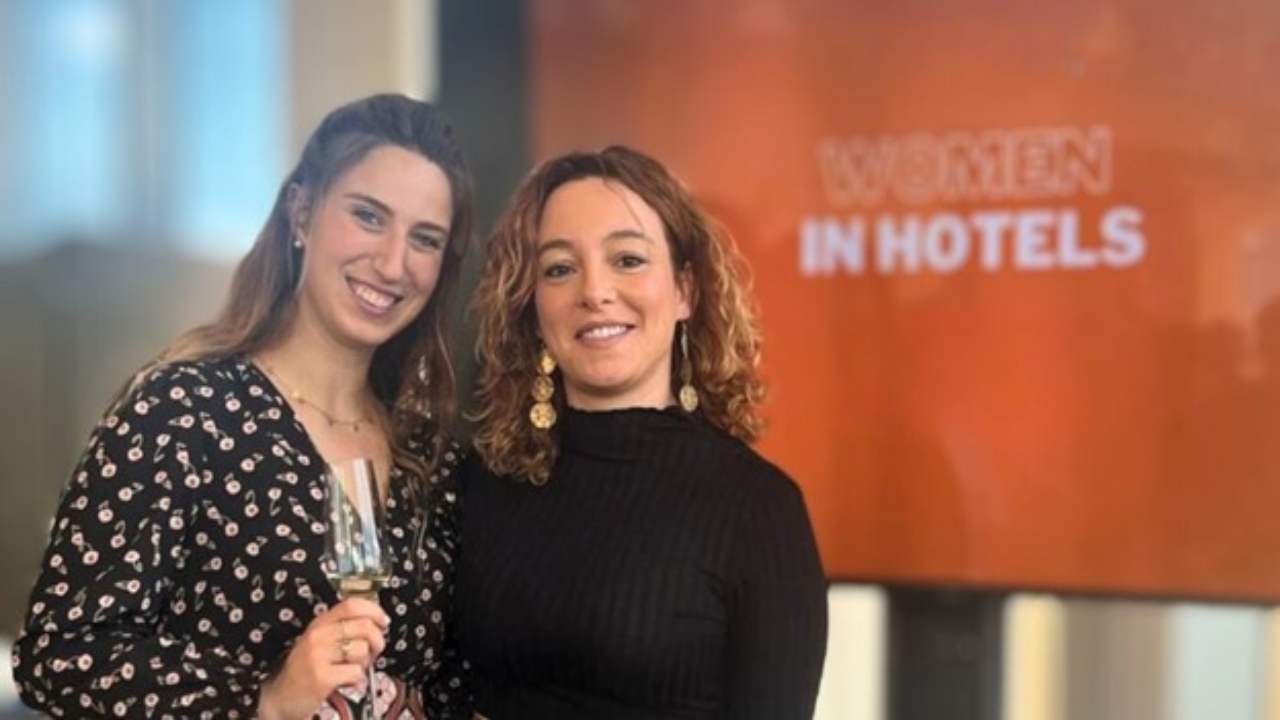
HPG is committed to championing women in the hospitality industry by fostering inclusivity, amplifying voices, and addressing systemic barriers. Through our partnerships with initiatives like Inspiring Women in Hospitality and events such as the Women in Hotels Brunch, we celebrate female achievements and create opportunities for networking and career advancement. Platforms like the Inspire Community and mentorship programs provide crucial support, enabling women to share experiences, gain guidance, and overcome challenges together. 

By advocating for flexible working arrangements, equitable pay, and leadership visibility, we aim to drive cultural change within the industry. These efforts, combined with professional development opportunities and a focus on showcasing diverse career pathways, aim to break down barriers and empower women to achieve their full potential, shaping a more inclusive and innovative hospitality sector. 

Networking and Insights
Trade events remain pivotal to our commitment to fostering industry innovation, collaboration, and the exchange of valuable insights. In 2024, we actively participated in key conferences such as the Caribbean Hotel & Resort Investment Summit (CHRIS) and the Future Hospitality Summit in Saudi Arabia, demonstrating its dedication to understanding emerging trends and engaging with global industry leaders. From exploring the transformation of all-inclusive resorts and branded residences at CHRIS to witnessing Saudi Arabia’s ambitious Vision 2030 and its ESG-focused mega-projects, we have stayed at the forefront of hospitality developments. 

These events provided a platform for us to connect with professionals worldwide, share expertise, and analyse critical industry trends. By attending and contributing to these conferences, we reinforced our position as a thought leader while bringing actionable insights to our clients, helping them navigate market shifts and capitalise on new opportunities. 

Adapting to Change
Throughout the year, we have consistently demonstrated our commitment to helping the hospitality industry navigate evolving challenges through forward-thinking strategies and insightful guidance. In 2024, the industry once again faced significant shifts, including increased salary thresholds for skilled workers, tightening budgets, and regulatory changes, all topped off with a budget that has proved especially challenging to the hospitality industry.  

Through detailed analyses such as “The Impact of Increased Salary Thresholds on the UK Hospitality Industry,” we highlighted the importance of upskilling domestic workers, enhancing workplace culture, and leveraging technological innovation to address workforce shortages. Similarly, at HOSPACE 2024, we emphasised bridging operational gaps with technology and training while fostering personalised recruitment strategies to align with organisational values. These efforts underscore our role in driving resilience and innovation, ensuring its clients remain competitive in a rapidly changing landscape. 

Hotel Investment Insights
In 2024, we actively tracked and analysed hotel investment trends, providing critical insights to help stakeholders navigate a dynamic and evolving market. As global uncertainties persisted, targeted investments in emerging markets and sustainable projects demonstrated significant returns. Our “Global Hospitality Investment Insights: Spring 2024” highlighted the growing emphasis on ESG factors, with investors recognising the dual benefits of sustainable practices for profitability and brand reputation. 

At the International Hospitality Investment Forum (IHIF) in Berlin, we observed a shift towards long-term strategic expansion, particularly in the Middle East and Mediterranean regions. The UK hotel sector also showcased resilience, with mid-year investment volumes reaching record levels, driven by strong domestic tourism and international interest. Through insights shared in reports and conferences, we supported the industry in adapting to challenges such as rising costs, geopolitical instability, and a constrained supply of quality assets, while championing opportunities for innovation, sustainability, and growth. 

Cultural Phenomena
A number of big events over the summer significantly impacted the hospitality industry in 2024, showcasing how businesses can harness these moments to drive growth and innovation. We explored the influence of Taylor Swift’s Eras Tour in “The Taylor Swift Effect”, highlighting the boost to local economies, with UK cities experiencing spikes in hotel occupancy, dining, and retail. Businesses seized the opportunity by offering creative, themed packages and experiences, such as bespoke cocktails, citywide trails, and employee engagement initiatives that enhanced customer satisfaction and loyalty. 

Similarly, in “Lessons in Leadership from a Summer of Sport”, we examined how strategies from sports, such as Gareth Southgate’s emphasis on teamwork at Euro 2024 and the British Cycling’s Olympic team’s focus on incremental improvements, can inspire hospitality leaders. The importance of preparing for large-scale events, empowering employees, and creating unique guest experiences was underscored as critical for capitalising on cultural moments. These insights reinforce the need for agility, innovation, and thoughtful engagement to ensure hospitality businesses maximise opportunities while fostering long-term growth and positive guest experiences. 

Conclusion
From championing women in hospitality and navigating economic shifts to analysing market trends and harnessing cultural phenomena, we have remained steadfast in its commitment to empowering businesses through tailored solutions and actionable insights. Our presence at key industry events, such as CHRIS, IHIF, and HOSPACE, reinforced our role as thought leaders, while our dedication to diversity, inclusion, and workforce development ensured our clients were equipped to adapt and thrive. 

We understand that success in the hospitality industry begins with its people. As we look ahead to 2025, we remain dedicated to delivering innovative strategies that support leadership, culture, and employee engagement.   

If you would like to discuss your people strategy further and explore how we can help you achieve your goals in the year to come, then please get in touch.   

 Guy Lean, Managing Director – Madison Mayfair  
+44 20 8 600 1180 / +44 7813 009787  / [email protected]   

Dan Akhtar, Managing Director – HPG Advisory Services
+44 208 600 1166 / +44 7808 157796  / [email protected]   
Chris Denison Smith, Managing Director – FM Recruitment 
+44 20 8 600 1160 / +44 7775 711923  / [email protected]  

Andrea Shaw, Director – FM Recruitment 
+44 20 8 600 1160 / +44 7714 236469  / [email protected]   


Bridging the Gap – Insights from HOSPACE 2024

As proud sponsors of HOSPA, we were delighted to attend HOSPACE 2024 at the Royal Lancaster London last week. Many of you may have already seen some of the event highlights, including UK Hospitality‘s Kate Nicholls in conversation with James Stagg of The Caterer and the Leader’s Panel discussion that closed the afternoon programme. For us, the day was more than just an opportunity to connect and network with industry leaders. It was a chance to reflect on the unique value we offer our clients. We understand that our role goes beyond simply filling vacant positions. Instead, we focus on working in partnership with our clients to support their overall people strategies, utilising our industry experience and insights offer additional value and drive meaningful results.

Design Thinking in Recruitment
We were particularly interested in the engaging fireside chat with Neil Stone of leapSTONE on “Innovation Through Strategic Design”. He provided a compelling analogy that really resonated with our own methodology. Neal challenged attendees to rethink conventional problem-solving: rather than simply building a bridge, first understand whether a bridge is truly the best solution for crossing the river. This mindset connects with our approach and reminds us of the old medical phrase “Prescription without diagnosis is malpractice.”

This ethos drives our work. By engaging deeply with clients to diagnose the root challenges—whether it’s high turnover, a lack of leadership diversity, or difficulties adapting to market changes— we ensure that solutions are both strategic and impactful. Our role is not just to connect businesses with candidates but to understand the overall challenges and help create lasting solutions.

Elevating the Recruitment Process
Another critical takeaway from HOSPACE was the importance of partnerships over transactional relationships. We understand how some businesses still use mass recruitment strategies, inviting hundreds of CVs without offering meaningful feedback or collaboration. While this transactional approach can potentially save some upfront costs (and of course we are slightly biased) it sacrifices the potential value that a strategic recruitment partner can bring.

We have often seen examples where companies can overwhelm their HR team with hundreds of CVs from multiple sources, including our carefully curated candidates. This can understandably lead to frustration and burn-out. By engaging directly with the team and fostering a trusting relationship, we can emphasise the benefits of a consultative partnership, where fewer but higher-quality candidates are presented with context and rationale. This collaboration ensures a much more effective process and inevitably results in a better cultural fit for the workplace.

Addressing Industry Challenges
Unsurprisingly, HOSPACE also highlighted several pressing challenges for the hospitality sector, including the recent budget, workplace culture and evolving regulations. These issues underscore not only the importance of a strong financial strategy, but the significance of a holistic people strategy. For example:

  • Budget: With minimum wage increases and changes to National Insurance rates and thresholds, many hospitality businesses face tightening margins. FM Recruitment helps clients navigate these complexities by identifying candidates who have a proven track record of driving efficiencies and innovation within their organisations.
  • Workplace Culture: As we have discussed in previous blogs, inclusion and workplace culture was again a key topic at HOSPACE, especially in the Prioritising People discussion and Kate Nicholls’ conversation. It is a topic that we are passionate about and work with clients to ensure that hires align with their values and contribute to a cohesive team environment.
  • Regulatory Changes: From the new tipping legislation to employment classifications, the regulatory landscape remains complex. Our industry expertise ensures that our clients are not only compliant but also well-positioned to adapt to these changes and any opportunities that may appear.

Personalisation
One of the standout themes at HOSPACE was personalisation. Discussions emphasised understanding customers on a deeper level—beyond the superficial perks of an upgraded room or complimentary champagne. As highlighted in the panel “Maximising Profit Potential Through Clever Marketing,” hospitality leaders stressed the importance of tailoring guest experiences by understanding the “why” behind their bookings. The same principle applies to recruitment: effective hiring requires more than just matching skills to job descriptions. It demands an understanding of the organisation’s culture, objectives, and challenges.

At FM Recruitment we adopt this approach by digging deeper into clients’ unique needs. For example, instead of simply providing a list of qualified candidates, we collaborate with clients to try and uncover the motivations and goals behind each hire. This ensures that every placement contributes to the client’s long-term success, not just immediate operational needs.

Value Beyond Recruitment
One of the most compelling insights from HOSPACE was the idea that service—both to guests and employees—should be a company’s guiding principle. By viewing recruitment as a service rather than a transaction, we help clients build stronger, more resilient teams. The goal is not just to fill vacancies but to support broader strategic objectives, such as:

  • Ensure a diverse leadership team
  • Reducing employee turnover
  • Improving employee engagement
  • Supporting long-term business growth

Building Bridges
Ultimately, our value proposition is about connection. Just as the hospitality industry seeks to create meaningful experiences for guests, we strive to create meaningful partnerships with clients. By making it our mission to understand each client’s unique set of challenges and opportunities, we can help build the bridge between problems and solutions, supporting businesses as they look to thrive in an ever-changing environment.

And as many of the insights from HOSPACE 2024 show, the hospitality industry’s future health depends heavily on its ability to innovate, personalise, and adapt to these challenges and opportunities. With a strategic partner like FM Recruitment, businesses can ensure that their people strategies are not just aligned with these goals but positioned to exceed them.

If you would like to discuss how FM Recruitment can support your people strategy, then please get in touch.

Chris Denison Smith, Managing Director
+44 20 8600 1160 / +44 7775 711923
[email protected]

Andrea Shaw, Director
+44 20 8600 1161 / +44 7714 236469
[email protected]

Tairona Lattanzi, Recruitment Consultant
+44 20 8600 1164
[email protected]

The Value of Hospitality Industry Trade Events 

With rising consumer expectations, advancements in technology, and the push for sustainability, staying ahead of the curve is crucial for anyone involved in the hospitality industry. One of the most effective ways to do this is by attending trade events and conferences.  

These industry gatherings provide professionals with an unparalleled platform to network, build their profile, expand their knowledge, and stay updated on the latest trends. From luxury hotels to independent restaurants, the insights gained at these events can shape the trajectory of businesses and professionals alike. 

With the Annual Hospitality Conference in Manchester having taken place earlier this week, many attendees and onlookers may be looking at the next opportunity attend such an event, whether it might be a little closer to home or a little more focussed on your specific area of interest.  

The next few months will see a plethora of Hospitality and Tourism conferences and events taking place across Europe and the Middle East, from UKHospitality’s Environmental Sustainability Seminar to the prestigious International Luxury Travel Market (ILTM) in Cannes. Each event brings unique value to attendees, helping them thrive in an increasingly competitive environment, and it is not too late to sign up and get those tickets booked. 

Why Trade Events Matter in the Hospitality Industry 

 Networking Opportunities
Trade events are invaluable for networking, enabling professionals to connect with peers, potential partners, and industry leaders. These interactions can lead to collaborations, partnerships, and business deals that can propel a company forward. For example, the World Travel Market (WTM) in London, taking place annually in November, is one of the most influential gatherings in the global travel and tourism industry.  

With representatives from travel companies, tourism boards, and hospitality providers worldwide, the WTM offers opportunities to forge lasting relationships and discuss future trends, making it an essential event for anyone looking to make their mark on the industry. 

For resort operators and residential leisure investors, the Resort & Residential Hospitality Forum (R&R) in Athens in November will provide a specialised platform to engage with stakeholders and experts in the resort and residential space. Establishing contacts in such niche markets can help businesses uncover investment opportunities or gain insights into emerging trends that can impact their future strategies. 

Building Knowledge and Gaining Insights
Attending trade shows is a prime opportunity to learn from industry experts and thought leaders. Events such as the Tourism Innovation Summit in Seville in October are designed to showcase how cutting-edge technology can revolutionise the travel experience. From sessions on smart destination management to talks about artificial intelligence in tourism, this event offers attendees the chance to stay ahead in an industry that is increasingly reliant on digital transformation.

At the Environmental Sustainability Seminar in the UK, climate change is becoming an ever-pressing issue for hoteliers and restaurateurs alike, who must adapt to greener practices. This seminar is a key opportunity to explore best practices and innovations designed to make the hospitality industry more sustainable. These insights can help businesses not only reduce their environmental impact but also appeal to eco-conscious consumers, a demographic that continues to grow in importance. 

Competitor Knowledge
Understanding what competitors are doing is crucial for maintaining a competitive edge. Trade events provide the perfect stage to observe and assess the latest products, services, and innovations that your competitors are offering. At the Hotel & Resort Innovation Expo at Excel London in October, hoteliers will get a first-hand look at cutting-edge technology designed to enhance customer experience. Whether it’s AI-driven guest services or the latest room automation technology, knowing what’s on the horizon can help businesses stay one step ahead. 

Similarly, at the The Restaurant Show, now part of the Food & Drink Expo taking place in April 2025 in Birmingham, restaurateurs will gain insights into the latest culinary trends, tech solutions, and operational strategies from leading industry experts. Understanding these trends early can empower businesses to implement changes that set them apart from competitors, giving them a significant advantage in the market. 

Industry Innovation
Innovation is the lifeblood of any industry, and trade events serve as a catalyst for new ideas and breakthrough technologies. The Independent Hotel Show, which takes place at Olympia London in October, focuses on boutique hoteliers and luxury establishments, offering a curated selection of the latest innovative products and services designed to elevate customer experience. For hoteliers seeking to distinguish themselves in a crowded market, this event is the perfect place to discover game-changing solutions. 

Another key event fostering innovation is the Italian Hospitality Investment Conference (Rome, October 2024), where the focus is on investment opportunities and trends in the hotel and real estate sectors. With a particular emphasis on innovation in hospitality investments, this is the first international conference exclusively dedicated to investments targeting hospitality in Italy. This is vital for anyone looking to stay informed on how new business models and investment strategies might apply to a region that promises significant opportunities.

Profile Building
For professionals looking to advance their careers, attending these events can be instrumental in building their personal profile. Speaking at panels, engaging in discussions, or even just attending sessions can raise your visibility within the industry.  

HOSPACE run by HOSPA (of which our brand, FM Recruitment are proud sponsors) takes place in November every year. As conference for senior professionals and host to an array of discussions and workshops from leading minds in the industry, offer the chance to establish yourself as a thought leader to address some of the key issues impacting the contemporary hospitality landscape, including sustainability, technology, wellness cyber security and career progression. 

Staying Ahead of Industry Trends
Trade events are where trends are born, making them essential for those looking to stay ahead in the fast-paced hospitality industry. The International Luxury Travel Market (ILTM) in Cannes taking place in December showcases the latest developments in luxury travel, from high-end destination offerings to personalized experiences. As luxury travel continues to be a key growth sector, keeping a finger on the pulse of new trends and consumer preferences is vital for anyone involved in high-end hospitality services.

The Current Hospitality Investment Landscape
The global hospitality investment landscape in 2024 is defined by recovery, growth, and innovation. After the challenges posed by the COVID-19 pandemic, the industry has seen a resurgence, with investment volumes outpacing pre-pandemic levels. According to JLL Research, global Revenue Per Available Room (RevPAR) in 2024 has exceeded 2019 figures by 12%, showcasing the robust recovery of the sector. 

Major investment deals in the first half of 2024, such as Blackstone’s acquisition of the Village Leisure portfolio for £850 million, highlight the renewed investor confidence in hospitality assets. Furthermore, there is a growing trend toward sustainable investments, with many investors prioritizing eco-friendly developments and wellness-focused properties, reflecting broader shifts in consumer preferences. 

Conclusion
The value of attending hospitality trade events cannot be overstated. These gatherings are more than just networking opportunities—they are platforms for learning, innovation, and growth. Whether it’s gaining insights into sustainable practices, learning about the latest technological innovations, or building your personal and business profile, attending these events can significantly impact your success in the hospitality industry. 

With the global hospitality industry continuing its upward trajectory, driven by strong investment activity and the adoption of innovative practices, staying engaged with industry events will be crucial for maintaining a competitive edge. Whether you’re attending to network, learn, or simply keep an eye on your competitors, these trade events in Q4 2024 offer valuable opportunities that no hospitality professional should miss. 

If you would like to discuss any of the above topics in more detail, please get in touch to arrange a chat. 

Dan Akhtar, Managing Director – HPG Advisory Services 
+44 208 600 1166 / +44 7808 157796 
[email protected]  

Image courtesy of hospace.org 


Navigating Budget Season in Hospitality: Essential Tips for Success

As we enter the final third of 2024, hospitality businesses are preparing for one of the most crucial periods in their financial planning—budget season.  

This time of year is more than just about balancing books and setting targets; it’s an opportunity to align financial goals with market realities, ensure sustainability, and set the stage for future growth. Crafting a successful budget requires a combination of market research, strategic storytelling, effective communication, and the ability to adapt to feedback.  

Here’s our guide to help businesses navigate the complexities of budget season with confidence and precision. 

Market Research and Forecasting
A solid budget begins with a deep understanding of the market and future forecasts. In an industry where trends can shift rapidly due to economic changes, consumer behaviour, and global events, staying informed is essential. The hospitality sector is anticipated to grow at a rate of 5.5% over the next four years, driven by factors like sustainability, wellness tourism, and flexible bookings. Understanding these trends allows businesses to tailor their budgets to meet market demands, such as investing in sustainable practices or wellness amenities. 

Analysing Past Performance
Before looking ahead, it’s crucial to review past financial performances. Analysing year-over-year changes, identifying trends in different market segments, and assessing profit and loss can provide valuable insights. This data helps set realistic goals for the upcoming year and pinpoint areas needing increased investment or cost-cutting.  

Competitive Landscape
Understanding the competitive landscape is equally important. Analysing competitors’ strategies, pricing models, and market positioning can reveal opportunities and threats. This intelligence should be integrated into the budget to maintain competitiveness.  

Crafting a Strategic Narrative
A budget isn’t just a collection of numbers; it tells the story of the business’s past, present, and future. Crafting a narrative from these figures that resonates with stakeholders is key to aligning the budget with the company’s strategic objectives. Highlight successes, such as revenue increases from a new marketing strategy, and address challenges with clear plans for improvement. Align the budget with broader company goals, such as market expansion or sustainability initiatives, to ensure it drives the business forward.  

Presenting to Senior Leadership
Once the budget is crafted, presenting it to senior leadership is the next critical step and the approval of the budget often hinges on how well it’s communicated. This presentation should be concise and well-structured, focusing on key messages and high-level summaries. Senior leaders don’t have time to delve into the details, so it’s essential to highlight the most critical data points and how they align with the company’s strategic goals. Use visuals like charts and graphs to make complex information more accessible and engaging.

Handling Feedback
Receiving and incorporating feedback is a vital part of the budgeting process. Be prepared to answer questions and justify every figure. Feedback should be viewed as an opportunity to refine the budget, demonstrating responsiveness and a commitment to the business’s success. Document all feedback and changes made, as this record can be invaluable for future budget planning.  

Team Engagement
Budgeting isn’t just a top-down process; it involves the entire team. Engaging with team members ensures the budget reflects operational realities and builds a sense of ownership. Department heads can provide insights into specific needs or challenges, making the budget more realistic and achievable. Ensure everyone understands their role in the budget and how it aligns with the broader goals of the business. Providing training and support, such as financial literacy workshops, can enhance the overall quality of the budget. 

Conclusion
Budget season in the hospitality industry is more than a financial exercise; it’s a strategic process that sets the tone for the year ahead. By conducting thorough market research, crafting a compelling narrative, presenting effectively, and engaging with your team, you can create a budget that not only meets operational needs but also drives growth and innovation. As the industry evolves, those who approach budget season with diligence and foresight will be well-positioned to thrive. Embrace the challenge, and let budget season be a stepping stone to your business’s success. 

Hospitality People Group is dedicated to exploring all opportunities to provide insights and support our clients and their people strategies to create lasting value and positive experiences for their employees and guests.  

If you would like to discuss your people strategy further, then please get in touch.  

Chris Denison Smith, Managing Director – FM Recruitment 
+44 20 8 600 1160 / +44 7775 711923
[email protected]  

Andrea Shaw, Director – FM Recruitment 
+44 20 8 600 1160 / +44 7714 236469 
[email protected]  

Dan Akhtar, Managing Director – HPG Advisory Services 
+44 208 600 1166 / +44 7808 157796 
[email protected]  

Guy Lean, Managing Director – Madison Mayfair 
+44 20 8 600 1180 / +44 7813 009787 
[email protected]  

Chat Button